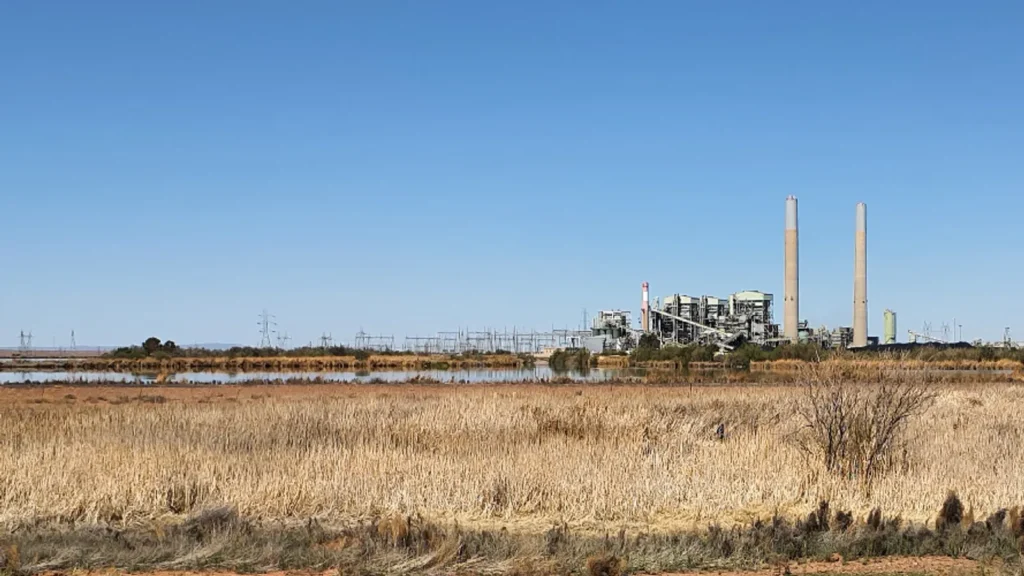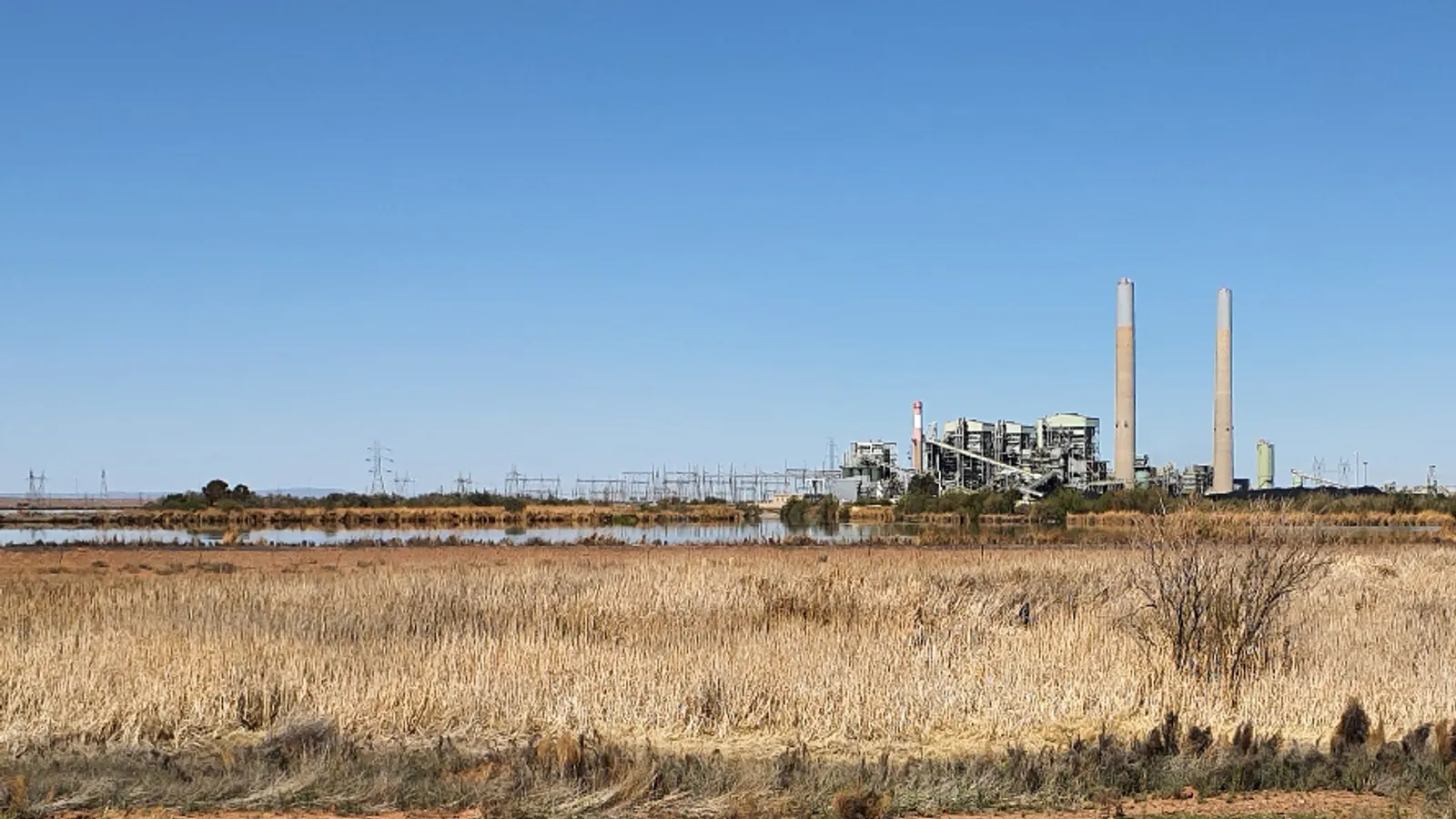

Arizona Public Service (APS) has announced plans to repurpose two retired units at its Cholla Power Plant in Navajo County, Arizona, for natural gas-fired generation. The project is expected to deliver up to 380 megawatts of capacity to help meet the state’s growing energy needs.
The coal-fired units at the plant were phased out over the past decade in response to federal environmental requirements, with the last one shutting down in March 2025. At its height, the facility provided about 1,000 MW of power.
Earlier studies had determined that converting the units to natural gas would not be cost-effective for customers. However, with Arizona facing rapidly rising demand for reliable, around-the-clock electricity and lengthy timelines for building new power sources from scratch, APS now views the conversion as a practical solution.The utility has projected annual electric sales growth of 4% to 6% through 2027, largely due to new large loads connecting to its system.
In April, state regulators noted that APS anticipates peak demand from large customers could reach roughly 13.1 gigawatts this year. The conversion project aims to make use of the plant’s existing transmission infrastructure and maintain its role in the regional energy grid. “Cholla has been an important part of the communities of Joseph City, Holbrook, Navajo County and northeastern Arizona for decades and has been foundational to Arizona’s energy grid,” said Johnny Penrod, APS vice president of generation.
“Repurposing the Cholla Power Plant for natural gas allows us to build on that legacy.”The move will help strengthen APS’s varied portfolio, which already includes nuclear power from the Palo Verde Generating Station, along with natural gas, solar, wind, battery storage, and remaining coal resources.Work on the conversion is scheduled to start in 2028, with commercial operation targeted for 2029.
The project will still require formal permitting and regulatory approvals. APS plans to gather public input through community open houses as well as phone and email channels.